trusted Scarborough Bed Bug Treatment for businesses
Proven Pest Control Strategies: Maintain a Pest-Free Home All Year Long
Maintaining a bug-free home is an essential concern for numerous property owners. Proper pest prevention methods are needed to prevent infestations that can pose risks to health and property. Learning about typical pests and how they operate is the first step. Detecting infestation indicators at an early stage can make a significant difference. What steps can be implemented to secure a home against unwanted pests? The guidance presented here delivers proven approaches to maintaining a pest-free household.
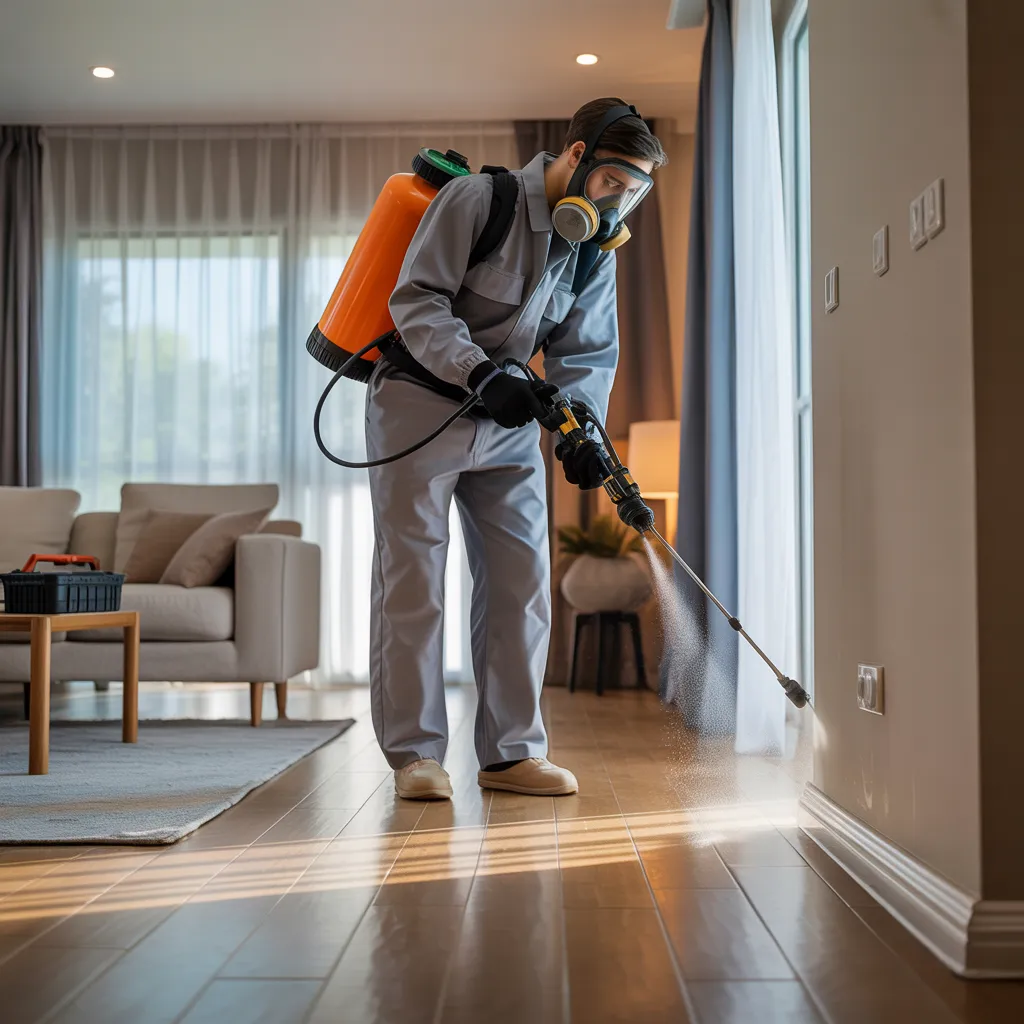
Recognizing Typical Home Pests and Their Risks
Many households encounter various types of common pests that present serious threats to personal health and property. Rodents, such as mice and rats, are well known for tainting food supplies and carrying dangerous diseases like salmonella and hantavirus. Common insects such as cockroaches and ants, can trigger allergic reactions and asthma symptoms while also damaging structures and electrical systems. Termites, often referred to as "silent destroyers," can weaken the structural integrity of wood, resulting in expensive repairs. Bedbugs, which were once almost eliminated, have made a comeback and often cause restless nights and mental anguish. Additionally, mosquitoes are not only nuisances but can carry and transmit severe diseases like the West Nile virus and other pathogens. Being aware of these pests and the dangers they pose is essential for homeowners, as it can guide effective pest management strategies and safeguard both health and property from potential harm.
How to Identify Signs of Infestation Early
Recognizing early signs of pest infestation is crucial for proper management. Common indicators, such as unusual noises and smells, together with observable harm to property, can notify homeowners of underlying concerns. Identifying these indicators in a timely manner can aid in minimizing severe harm and associated health risks.
Frequent Pest Warning Signs
Recognizing the initial signs of a pest infestation is vital for effective management. Homeowners should be watchful for common indicators that suggest a potential problem. Noticeable droppings, such as minute dark particles or fragments, can signify the presence of insects or rodents. Moreover, gnaw marks on containers or building materials may suggest pest activity. Mysterious holes in walls or furniture are also clear signs. Furthermore, the presence of shed exoskeletons or discarded wings can point to insect infestations. Lastly, stains or smudges along baseboards and entry points may indicate pest movement. Prompt identification of these indicators can enable swift action, helping to avoid widespread pest problems and preserving a pest-free living environment.
Unusual Noises and Smells
How can unusual noises and smells signal a pest infestation? Homeowners should be alert to any strange sounds, such as scratching, scurrying, or gnawing, particularly during quiet hours. Such sounds frequently suggest the presence of concealed pests, including rodents or insects, hiding within walls or ceilings. Moreover, unusual odors can function as critical warning signals. A damp or foul scent may point to the presence of decaying pests or droppings, whereas a sweet, pungent odor might signal a termite infestation. Detecting these auditory and olfactory warning signs early enables swift action, keeping a minor concern from developing into a serious infestation. Staying alert to strange sounds and odors is key to keeping a pest-free home.
Visual Signs of Damage
Visible indicators of damage frequently act as critical indicators of a pest infestation. Residents should watch carefully for certain clues that can uncover the presence of pests. To illustrate, damaged furniture, chewed wiring, or gnaw marks on wood may indicate a rodent problem. Additionally, shed skin, droppings, or egg casings can indicate insect infestations, such as bedbugs or cockroaches. Staining or discoloration on walls and ceilings may suggest termite damage or water leaks resulting from pest activity. Openings in walls or baseboards are also indicators that should never be dismissed. Timely detection of these visual indicators can facilitate prompt action, preventing further damage and maintaining a pest-free environment. Periodic inspections can assist in spotting these signs before they become severe.
What to Do After Identifying an Infestation?
After identifying signs of pests, immediate action is essential to avoid additional harm. The primary step entails determining the specific pest and measuring the scale of the pest problem. This information can guide suitable treatment solutions. As a follow-up, property owners should blocking entry locations to restrict pest entry and eliminate available food supplies that may attract them.
In cases of small-scale infestations, store-bought pest control solutions might be adequate, but for larger or persistent problems, seeking the help of a licensed exterminator is recommended. These professionals have the knowledge and equipment required for complete eradication.
Additionally, recording the infestation can prove useful, as it helps track the problem and informs pest control specialists. In conclusion, it is vital to copyright a hygienic home environment to sustain continued pest control measures. Prompt and decisive action can greatly mitigate the risks associated with pest infestations, providing a cleaner, safer household environment.
Effective Prevention Tips to Eliminate Household Pests
To successfully prevent household pests, homeowners ought to adopt several preventive measures that establish an unwelcoming space for uninvited pests. First, filling cracks and small spaces around doors, windows, and building foundations is critical, as these vulnerabilities allow straightforward passage for unwanted creatures. Additionally, placing food in airtight storage vessels can significantly minimize food-based lures.
Routinely wiping down kitchen surfaces and immediately removing garbage effectively limits food sources. Property owners should likewise secure proper drainage and get rid of stagnant water to prevent insects from establishing breeding grounds.
Preserving a clean and orderly setting, both indoors and outdoors, reduces the available hiding places for pests. Additionally, trimming vegetation away from the home can limit the access points pests use to get inside. By implementing these methods, property owners can develop a preventative pest control routine, minimizing the likelihood of infestations throughout the year.
Essential DIY Pest Control Advice
Useful DIY pest control methods can empower homeowners to address pest problems with reduced cost and effort. Utilizing natural repellents and proper home cleaning techniques, along with sealing entry points, can significantly reduce the likelihood of pest issues. Adopting these methods promotes a healthier home environment while encouraging long-term pest prevention.
Natural Deterrents And Repellents
Many homeowners seek natural pest-repelling solutions as an environmentally conscious method to keeping pests at bay. Common ingredients include plant-derived essential oils like lavender, eucalyptus, and peppermint, which are recognized for their effectiveness in ward off ants, spiders, and other pests. Vinegar functions as a multipurpose remedy, successfully repelling pests when used as a spray around entry points. Diatomaceous earth represents another natural choice; its fine powder can be sprinkled in areas prone to infestations, successfully drying out insects upon contact. Furthermore, growing pest-deterring herbs such as rosemary and basil in garden beds can form an effective natural boundary. By adopting these eco-friendly approaches, homeowners can enjoy a pest-free living space without relying on harsh chemicals.
House Cleaning Strategies
Natural repellents and deterrents can act as a strong base for an effective pest control plan, but maintaining a clean home environment is equally important. Routine vacuuming of carpets and rugs removes food particles and debris that draw pests in. In addition, washing surfaces with soapy water clears away residues that can entice insects. It is important to store food in airtight containers and quickly address spills to prevent pests from congregating. Decluttering spaces minimizes potential hiding spots, making it harder for pests to thrive. Regularly taking out the trash and keeping bins sealed further reduces attractants. Through the application of these cleaning strategies, homeowners can develop an unfavorable environment for pests, supporting the impact of natural repellents and strengthening overall pest control initiatives.
Secure Entry Points
Closing off entry points is a critical step in preventing pests from infiltrating a home. A wide variety of pests, including rodents and insects, can squeeze through small gaps and holes. Homeowners are advised to start by copyrightining the outside of their home for fractures in walls, openings around window frames, and spaces around doors. Using sealant or weather stripping can reliably seal these spaces. In addition, screens should be fitted to windows and vents to prevent insect entry. It is also important to copyrightine utility lines and pipes for any gaps or openings and seal them appropriately. Routine maintenance of these protective measures can greatly reduce the likelihood of pest invasions. By taking these proactive measures, homeowners can create a less inviting environment for unwelcome intruders.
When to Hire the Experts for Pest Control
Figuring out when to contact a professional pest control service represents a significant consideration for any homeowner. When a pest infestation grows beyond controllable limits—such as a significant presence of rodents, termites, or cockroaches—professional intervention may be required. Furthermore, homeowners ought to seek professional assistance when DIY approaches prove ineffective after multiple attempts. Infestations that carry health risks, including bedbugs or wasps, demand immediate professional intervention because of the potential for allergic reactions or the spread of disease.
Moreover, if the infestation reoccurs frequently, this may suggest fundamental problems that require specialized skills to tackle. Homeowners should additionally contact professionals when handling pests in areas that are hard to reach, where specialized equipment is essential for effective removal. In the end, identifying the indicators of a severe infestation and acknowledging the shortcomings of DIY approaches can guide homeowners in making well-informed choices about when to seek the help of pest control experts.
Year-Round Pest Control Tips for Every Season
Even though pests may infiltrate homes at any point, homeowners can adopt preventive steps throughout the year to minimize risks and guarantee effective pest control. As spring arrives, regular yard maintenance—like eliminating debris and blocking access points—can prevent insects from finding nesting locations. Warmer summer months demand vigilant monitoring, as ants and mosquitoes become more active; homeowners should employ traps and eliminate standing water.
As autumn arrives, it's essential to inspect for gaps and cracks that learn about this mice and rats could use as they search for warmth. Furthermore, storing food in sealed containers can assist in preventing pantry pests. In wintertime, sustaining a clean living space is essential; regular cleaning reduces attractants. Homeowners are advised to inspect insulation and storage areas for indications of uninvited pests. By adopting these seasonal strategies, homeowners can build a strong defense against infestations, ensuring their living spaces remain comfortable and bug-free year-round.
Popular Questions We Receive
What Eco-Friendly Pest Control Options Are Most Effective?
Eco-friendly pest control options encompass diatomaceous earth, essential oils, and biological controls like beneficial insects. Such techniques limit ecological damage while efficiently addressing pest problems, promoting a healthier ecosystem in residential areas without harmful chemicals.
How Do You Safeguard Pets From Pest Control Treatments?
To safeguard pets during pest control applications, make certain they are housed in isolated, designated areas until treatments have fully dried. Utilize pet-friendly products, consult professionals, and adhere to all safety recommendations to reduce exposure and protect their well-being.
Are There Specific Pests That Require Professional Treatment Only?
Specific pests, among them termites, bedbugs, and rodents, typically require expert treatment because of their aggressive behavior and significant health concerns. Self-treatment options frequently prove inadequate for successfully eradicating these persistent infestations.
How Often Should Pest Control Treatments Be Scheduled?
Pest control treatments should typically be scheduled on a three to six month basis, depending on the pest issues and the environment. Routine inspections assist in detecting issues promptly, guaranteeing proper control and the avoidance of infestations.
What Are Well-Known Myths About Pest Control That Deserve to Be Addressed?
Frequently held myths regarding pest control encompass the belief that all pesticides are harmful, that pests are only found in unsanitary living spaces, and that do-it-yourself approaches are consistently reliable. Addressing these misconceptions can lead to better pest management practices.